

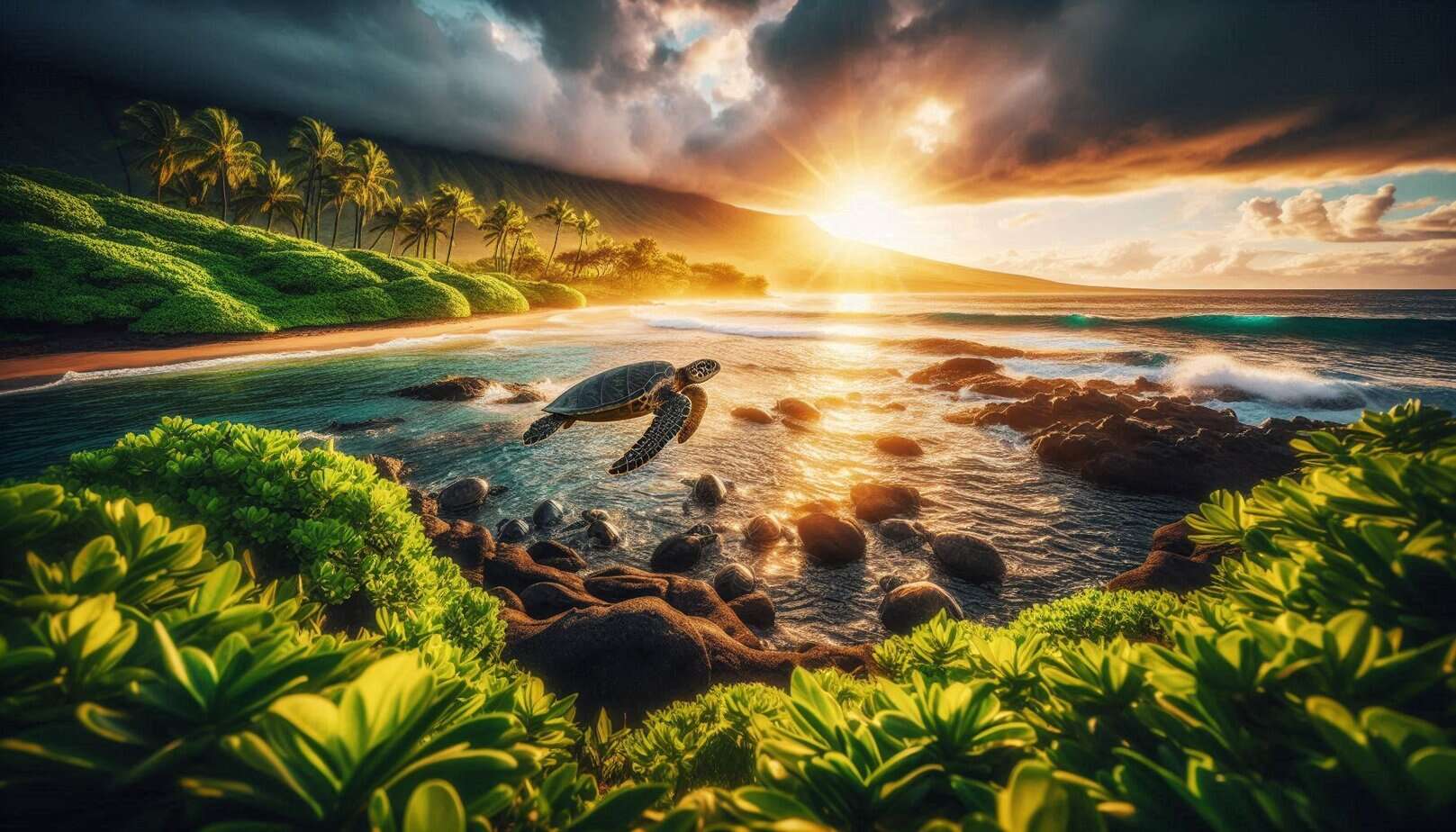
Where to Spot Turtles on the Big Island: Top Locations to Explore
The Big Island of Hawaii is renowned for its stunning landscapes, volcanic terrain, and diverse marine life. Among its many residents, the Hawaiian green sea turtle, or ‘Honu,’ captures the hearts of many visitors. If you’re looking to see these majestic creatures in their natural environments, various locations around the island provide unforgettable opportunities for turtle spotting. Here are the top spots to explore.
1. Punalu’u Black Sand Beach
Punalu’u Black Sand Beach, located on the southern coast of the Big Island, stands out for its unique black sand formed from volcanic activity. It is one of the most popular turtle spotting locations. Here, you can frequently see Hawaiian green sea turtles basking on the beach or gently swimming in the water. The beach is lined with palm trees and offers picnic areas, making it an excellent place to relax and observe these gentle creatures.
Tips for Visiting: Bring your camera but remember to maintain a respectful distance from the turtles. Federal law prohibits approaching them within 10 feet.
2. Kawaihae Harbor
Kawaihae Harbor, situated on the western coast, is a prime location for seeing turtles, especially during snorkeling excursions. Tour operators frequently take visitors to nearby coral reefs and shallow waters where turtles dwell. The harbor’s waters are clear, offering perfect visibility to witness these majestic animals gracefully swimming.
Tips for Visiting: Check local regulations about swimming with turtles and always practice responsible marine wildlife viewing.

3. Kailua-Kona
Kailua-Kona is known not just for delicious coffee but also as a great turtle-spotting location. Here, the waters are home to a variety of marine life, including turtles. The Two Step area near Honaunau Bay is especially popular. Snorkeling in this region provides opportunities to see turtles feeding on algae-covered rocks or gliding near the shore.
Tips for Visiting: Early mornings are the best times to snorkel for increased chances to encounter turtles. Bring snorkeling gear if you plan to explore.
4. Mauna Kea Beach
Mauna Kea Beach, located within the Mauna Kea Resort, is one of the island’s most beautiful beaches. A favored spot for locals and tourists alike, its clear waters often have Hawaiian sea turtles making appearances. When you visit, look for them resting on the rocks or swimming close to the shore.
Tips for Visiting: Arrive early to find parking, and remember that the beach is a private area; however, it is open to the public during designated hours.
5. Honaunau Bay (Place of Refuge)
Honaunau Bay, commonly referred to as the “Place of Refuge,” is a serene and culturally significant location. The clear waters and lively coral reefs make it ideal for turtle spotting. Snorkeling here provides the opportunity to see Hawaiian green sea turtles as they graze on sea grass or mingle among colorful fish.
Tips for Visiting: Organize your visit during low tide for optimal snorkeling conditions and a chance to see more turtles close to the shore.
6. Turtle Beach (aka Ho’okipa Beach)
Although renowned primarily for windsurfing, Ho’okipa Beach on Maui also has a surprise for those venturing from the Big Island. It is a popular spot for turtles, particularly when they emerge to bask. The sandy beach provides a perfect backdrop to observe them at a safe distance.
Tips for Visiting: Make sure to respect the area designated for turtles and avoid stepping on nesting grounds if you happen to stumble upon them.
7. Lapakahi State Historical Park
Lapakahi State Historical Park offers a unique opportunity to combine turtle watching with a taste of Hawaiian history. The park features coral reefs and ancient fishponds, ideal for spotting turtles swimming or sunbathing. The natural beauty and cultural significance of the park’s remnants provide a captivating visit.
Tips for Visiting: Bring binoculars for a clearer view from the park’s paths, and explore the surroundings to learn about the Hawaiian way of life before modernization.
8. Ali’i Drive
For those who prefer flat roads, Ali’i Drive in Kailua-Kona is a quintessential location not only to enjoy scenic views but to spot turtles too. Along this picturesque route, you’ll encounter various access points to beaches where turtles are often seen. Beaches such as Kahalu’u Beach Park are known for their abundant wildlife, making it an excellent place for a relaxing day under the sun.
Tips for Visiting: Keep a lookout when walking along the shoreline; sometimes, turtles can be spotted from a distance without needing to enter the water.
9. Kealakekua Bay
Kealakekua Bay is a marine conservation district known for its crystal-clear waters and rich underwater life. This area is often frequented by Hawaiian spirits; it also serves as a habitat for turtles. Kayaking around the bay provides not only a chance to spot them but also a unique way to enjoy the stunning scenery.
Tips for Visiting: Consider renting a kayak to explore the bay further. Early in the morning tends to have calmer waters and a better chance of encountering wildlife.
10. Kohanaiki Beach Park
Kohanaiki Beach Park, a relatively lesser-known spot, presents an excellent opportunity for adventurous turtle spotting. This secluded beach is surrounded by lava rock formations, creating a unique environment for turtles to bask and forage. The calm waters make it an excellent area for swimming and snorkeling.
Tips for Visiting: Arrive early for a quieter beach experience and bring lots of fresh water, as amenities are limited at this park.
Final Notes
When exploring the Big Island for turtle spotting, awareness and respect for these beautiful sea creatures and their habitats are essential. Observe from a safe distance, and remember to protect both the turtles and their environments for future generations. Respect local rules and practices to ensure these sightings remain available for everyone.
Recent Posts
I. Introduction: The Ultimate Guide to Exploring the Hidden Gems of Hawaii Unveiling Hawaii's Popular Attractions: A Brief Overview Hawaii, the picturesque archipelago in the heart of the Pacific...
Introduction When people think of Hawaii, they often envision sunny beaches, lush landscapes, and tropical weather. However, there is a lingering question on many minds: Does Hawaii get snow? In...